


AHA PALS
4.19.00 Reviews
App Specs
- Version
- 3.0.0
- Updated On
- License
- Free
- Downloads
- 10,000+
- Developer
- Massachusetts General Hospital IS
- Categories
- Medical
- Platform
- Android
Screenshots
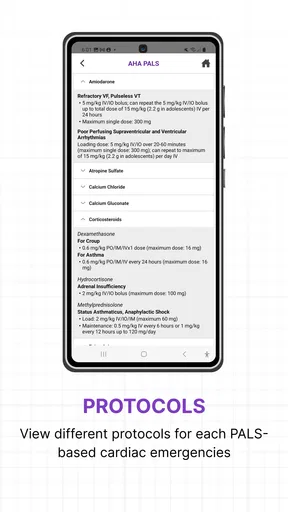

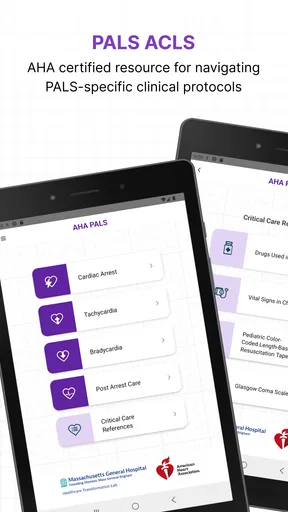
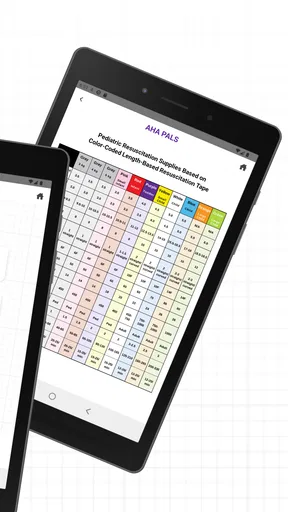
 Analysis by AppCompare
When I want a quick way to revisit pediatric resuscitation material, I look for something that helps me find the right topic without pretending to replace hands-on training. AHA PALS is a medical app from Massachusetts General Hospital IS, built around Pediatric Advanced Life Support reference and learning needs. Its current version is 2.1.0, and it is free to install, with in-app purchases listed at $3.99 per item. I see its strongest role as a focused study companion: useful for preparing, refreshing knowledge, and organizing a review session, but not a substitute for an instructor, a current clinical protocol, or sound judgment during an emergency.
Where it fits in a PALS routine
The practical question is not whether a phone can teach someone to manage every pediatric emergency; it cannot. It is whether a focused reference can make study and recall more deliberate. In my view, this app is best considered alongside a PALS course, workplace training, and the materials clinicians are expected to use in their setting. A learner can use it to return to a topic between formal sessions, while an experienced provider may find it useful as a prompt for structured revision.
That distinction matters because PALS knowledge involves more than remembering isolated facts. It requires recognizing a changing situation, communicating clearly, and acting as part of a team. A mobile resource can help with review, but it cannot reproduce the pressure, teamwork, physical practice, and instructor feedback of a skills session. I would use the app to prepare for those activities, not to claim competence from screen time alone.
A useful tool for specific moments
Imagine a clinician with a short break before a scheduled refresher. Rather than trying to read a large textbook from the beginning, they can set a modest goal: review one topic, note what still feels uncertain, and bring that question to a course or colleague. That is a realistic way to make a reference app useful without turning a spare moment into a rushed substitute for proper study.
For students, a similar approach works after class: revisit material while the lesson is still fresh, then test recall later without looking at the notes first. For a team, individual preparation can support a more focused discussion during a training session. The key is to keep the phone activity tied to a learning objective, rather than tapping through content just to feel productive.
How I would use it without overrelying on it
I would start by identifying what I need to review and use the app as one part of a wider routine. If I were preparing for a course, I would make a short list of subjects that need attention, work through them in manageable sessions, and record questions to resolve with an instructor or trusted clinical resource. If I were refreshing familiar material, I would focus on areas where recall is slow or uncertain instead of repeating only the sections I already know well.
A small but important habit is to separate learning from point-of-care decision-making. Study time is the place to compare concepts and think through scenarios. An urgent clinical situation is not the place to rely on a remembered screen or a personal app as the sole authority. I would follow the protocols and escalation pathways used by my organization, and seek appropriate help when needed.
Worth Reading Before You Choose

EA SPORTS FC Mobile 26 Is a Bigger Football Game, but It Takes Time

Flipboard Shows What News Apps Must Do Beyond the Feed

Switching to Android Auto Means Rethinking Your Driving Routine

Google Calendar Makes a Crowded Week Easier to Manage

Ludo King Makes the Most of the Minutes Between Plans

Baby Panda World Brings Quick Play to Modern Phones, but Its Game Library Feels Busy
What the App Offers
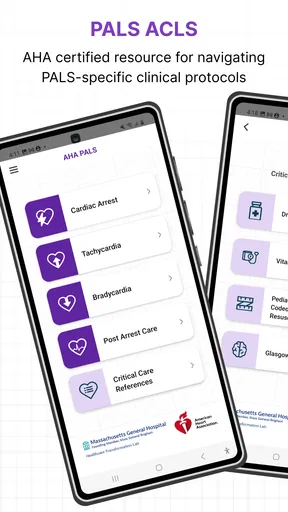
First off, the AHA PALS app is designed by the American Heart Association, so you know it's coming from a reputable source. This app is aimed at healthcare professionals who are looking to brush up on their PALS skills. It offers a comprehensive range of materials that cover everything from basic life support to more advanced pediatric care techniques.
User-Friendly Interface
One thing I immediately appreciated was the app's interface. It's clean, intuitive, and easy to navigate. Whether you're a tech whiz or a bit of a technophobe, you'll find it straightforward. All the important sections are easily accessible, and you won’t waste time figuring out where everything is.
Educational Content
The content is where the app really shines. It includes detailed guidelines, interactive scenarios, and video demonstrations that make learning not only effective but also engaging. The videos are high-quality, and the scenarios are realistic, which helps in understanding how to apply what you’ve learned in real-life situations.
Interactive Scenarios
These scenarios are a game-changer. They allow you to apply the knowledge you’ve gained in a simulated environment, which is crucial for understanding the nuances of pediatric care. You get to practice decision-making skills in a risk-free setting, and that's invaluable for building confidence.
Regular Updates
Another great aspect is the regular updates. The field of medicine is always evolving, and it's important that the learning materials keep pace. The app developers do a fantastic job of incorporating the latest guidelines and best practices, so you’ll always be up-to-date.
Choosing it over a textbook or a broad medical app
Compared with a general medical reference, a PALS-focused app has a narrower job: it can keep study centered on pediatric life-support topics instead of sending me through unrelated material. A textbook, meanwhile, is often better for sustained reading, detailed context, and building a complete foundation. I would not treat either format as a winner in every situation. The app makes sense for a targeted review; a course manual or instructor-led session is a better choice when I need structured teaching, deeper explanation, or supervised practice.
There is also a trade-off in using a phone. It is easy to pick up for a short revision session, but a small screen can make dense material less comfortable to study for long periods. Notifications and interruptions can break concentration, too. I would turn a short review into a focused session by silencing distractions and choosing one objective in advance, rather than trying to cover a broad subject while multitasking.
Who is likely to get the most from it
I would recommend considering it if you are studying for PALS, working in a role where pediatric life-support knowledge matters, or trying to keep course material fresh between formal training sessions. It is also a reasonable option for someone who prefers to review in short bursts rather than carry a book everywhere. The app has an Everyone content rating, but that does not mean the subject is aimed at every reader: its value is greatest for people with a genuine learning or professional reason to study PALS.
On the other hand, I would skip it if you are looking for a general first-aid guide, a complete pediatric medicine reference, or a replacement for certification training. A caregiver seeking basic guidance for an everyday concern needs a resource suited to that question, not a specialized PALS study tool. And if you learn best through a teacher correcting your technique in person, an app should be a supplement rather than your main learning method.
Practical checks before relying on a study session
Because medical guidance can change, I would make a habit of checking that the material I am studying matches the expectations of my course or workplace. The app is currently at version 2.1.0, and its release history begins on Oct 22, 2021; those facts are useful context, not proof by themselves that every screen matches a particular local protocol. Before a course assessment or clinical use, I would verify important points against the official materials and procedures that apply to me.
It is also worth checking how the app handles the parts of study that matter to you before building a routine around it. If you expect to study away from reliable connectivity, test access to the material in advance rather than assuming every resource will be available offline. If you plan to use videos, decide whether you have a quiet moment and enough time to watch and reflect instead of letting them play in the background. These simple checks help avoid frustration and make each session more purposeful.
Cost deserves a quick look as well. The app is free to download, while in-app purchases are listed at $3.99 per item, so I would check what is available in the version I intend to use before relying on a paid component. With an average rating of 4.1 from around 37 ratings and over 10,000 installs, it has attracted a modest but real audience; I would treat that as helpful context, not as evidence that it suits every learner or clinical setting.
My Experience
Personally, I found the app to be incredibly beneficial. As someone who’s always looking to keep my skills sharp, the convenience of having all this information at my fingertips is a huge plus. I could go through a module on my morning commute or revisit a video demonstration during a lunch break. It’s all about making learning fit into your lifestyle, and this app does that beautifully.
What really stood out to me was the level of detail and the interactive components. It’s one thing to read about pediatric care, but it’s another to actively engage with the content and test your knowledge.
What I would keep in perspective
My main caution is about confidence. A scenario that feels familiar on a screen can make a learner feel prepared, but recognition in a calm study session is not the same as performance under pressure. I would use a correct answer as a reason to continue reviewing, not as proof that I could handle every variation of a real emergency. When something is difficult, that is useful feedback: note the uncertainty and take it to a course, instructor, or other appropriate learning resource.
For experienced clinicians, the same caution applies in a different way. A quick refresher may help bring a topic back to mind, but it should not encourage anyone to bypass local procedures or assume that a general learning resource resolves a situation-specific question. The app is most valuable when it supports good preparation and reflection, while the actual care environment remains guided by current professional practice and the team’s protocols.
Final Thoughts
In a nutshell, if you're looking to enhance your PALS knowledge, the AHA PALS app is a fantastic resource. It's comprehensive, easy to use, and regularly updated. Plus, the interactive scenarios make learning more engaging than ever. So, if you’re in the medical field or studying to enter it, I highly recommend giving this app a shot. You’ll not only learn a lot but also enjoy the process!
What I would watch as I continue using it
I would pay attention to whether the app remains a good fit for my actual study needs: whether its material aligns with the course I am taking, whether the learning flow helps me spot weak areas, and whether any paid content is worth adding to my routine. I would also keep comparing what I learn there with the formal guidance used by my employer or training program. Those checks matter more than expecting an app to cover every possible clinical question.
Overall, I see this as a focused companion for people who already have a reason to learn PALS and want a convenient way to revisit the subject. It is less suitable as a standalone solution for beginners who need step-by-step teaching, for readers looking for general medical advice, or for anyone expecting a phone to replace practical instruction. Used with those boundaries in mind, it can make short study periods more purposeful and help turn uncertainty into questions worth following up.
Pros
- Intuitive user interface for easy navigation.
- Comprehensive resources for effective learning.
- Offline access to materials is available.
- Includes interactive quizzes for practice.
- Regular updates with latest guidelines.
Cons
- Limited features in the free version.
- Requires registration for full access.
- Occasional app performance lags.
- No option for live instructor feedback.
- Large file size may affect storage.
FAQs for AHA PALS
What is AHA PALS and who is it for?
AHA PALS, or Pediatric Advanced Life Support, is an educational app designed by the American Heart Association. It is intended for healthcare professionals involved in pediatric care, providing them with guidelines, interactive scenarios, and resources to enhance their emergency response skills. Whether you're a paramedic, nurse, or physician, this app is a valuable tool for improving pediatric patient outcomes.
How does AHA PALS help improve pediatric care?
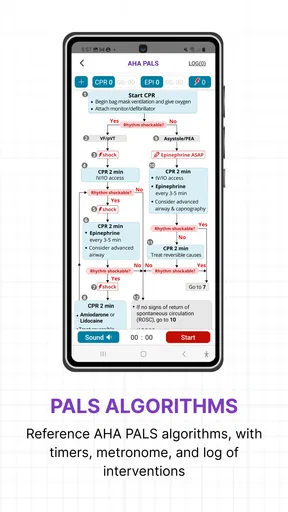
AHA PALS offers comprehensive educational content, including algorithms, interactive simulations, and detailed guidelines. These resources help healthcare providers understand and implement the latest pediatric life support protocols. By practicing in realistic scenarios, users can enhance their decision-making skills and readiness to respond effectively to pediatric emergencies.
Is AHA PALS suitable for beginners in pediatric care?
While AHA PALS is primarily designed for healthcare professionals with some experience in pediatric care, beginners can also benefit from its structured learning pathways and interactive modules. The app provides foundational knowledge and allows users to build confidence through step-by-step guidance and practice scenarios.
What platforms is AHA PALS available on, and is it free to use?
AHA PALS is available for both Android and iOS devices. While the app itself is free to download, access to certain features and content may require a subscription or one-time purchase. This ensures users receive the most current and comprehensive educational materials from the American Heart Association.
How often is the content in AHA PALS updated?
The American Heart Association regularly updates AHA PALS to reflect the latest research and guidelines in pediatric advanced life support. Users can expect timely updates that incorporate new findings and recommendations, ensuring that healthcare providers have access to the most current and effective practices in pediatric emergency care.


